 Call Today! 419-836-1033
 3601 Ayers Road | Millbury, OH 43447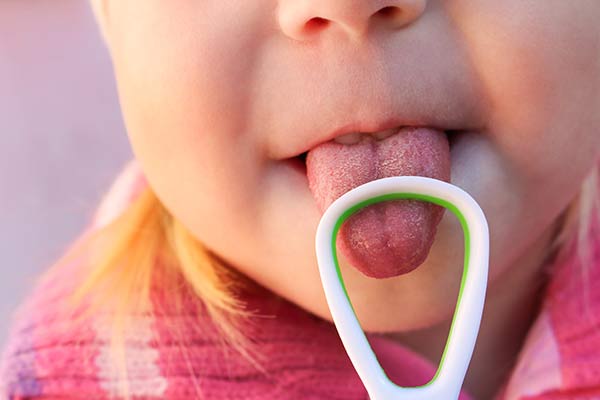
Your mouth is full of bacteria. You brush your teeth to keep those surfaces as clean as possible. Flossing helps remove bacteria from the gaps in-between. But what about bacteria buildup on your tongue? There’s plenty there too!
A little bacteria on the tongue is completely normal. But when bacteria build up on the tongue—often mixed with food debris and dead cells—it can contribute to bad breath and, in some cases, infections or other oral health issues. Read on to learn the warning signs of excessive tongue bacteria and how to remove it effectively.
Signs of Extreme Tongue Bacteria
Eating, drinking and sometimes even just breathing can all introduce bacteria to your mouth. Because of this, you will always have bacteria in your mouth no matter how much you focus on cleaning it. However, when it reaches a certain point, that bacteria can turn into illnesses or infections. Here are some of the most likely signs that your tongue bacteria have reached a critical stage:
White Tongue
If your tongue develops white patches, it’s usually a sign that something is wrong with your oral hygiene. White patches are a collection of bacteria and dead cells that get stuck on enlarged papillae.
While these patches can form from something as simple as dry mouth, they’re often associated with problems like excessive tongue bacteria, dehydration or even fevers. Patches of white on your tongue can also be indicators of illnesses, such as oral thrush to even cancer.
Sores
Like a tissue in your mouth, your tongue is susceptible to canker sores. These small white or yellow sores can sometimes appear without a direct cause, but excessive bacteria can instigate or irritate their growth. While they’re often painful, tongue sores can appear and disappear without note.
However, the bigger risk of a tongue sore with tongue bacteria is infection. Sores create a way for bacteria to get under the surface, where they can thrive and cause more serious damage.
Brown “Hairy” Tongue
Proteins in your tongue can “grow” from small bumps into larger, hair-like strands. When this happens, they become a common place for everything from food particles to bacteria to hide. Over a short time, these strands can become darkened into a brown or even black shade that looks like hair on your tongue.
In many cases, scraping your tongue is all that’s needed to clear away these dark deposits. It can be more difficult if you’re a smoker. However, if they don’t disappear after cleaning, you may need to visit a doctor to be tested for more serious viruses.
Bad Breath
Incidentally, one of the most common causes for bad breath is bacteria on your tongue. Despite this, people go to great lengths overbrushing their teeth or using mouthwash to try and solve the problem.
As you speak or breathe, air leaving your lungs passes over your tongue. If your tongue bacteria have grown out of control, they contribute to the bad odor you and those around you may notice.
Tongue bacteria that cause bad breath won’t often come with other noticeable symptoms like those mentioned above. If you notice that your breath isn’t so fresh, consider cleaning your tongue!
Why Bacteria Builds Up on Your Tongue
If you’ve ever wondered why the tongue gets coated so easily, it’s because your tongue isn’t a smooth surface. It’s covered in tiny bumps (papillae) and grooves that can trap bacteria, dead cells, and food particles—especially toward the back of the tongue.
Here are some common reasons bacteria buildup on the tongue gets worse:
-
Not cleaning the tongue regularly (most people skip it)
-
Dry mouth (from dehydration, mouth breathing, medications, or sleeping with your mouth open)
-
Smoking or tobacco use
-
Being sick (fever, congestion, or simply not keeping up with normal hygiene)
-
Certain diets (sticky foods, frequent snacking, or high sugar can feed bacteria)
-
Irritation or inflammation that causes papillae to enlarge and “hold on” to more debris
The good news? In most cases, this is easy to fix with a consistent routine.
How to Remove Tongue Bacteria (Step-by-Step)
If you’re worried that you may have excessive tongue bacteria, don’t be! Removing bacteria buildup from your tongue is simple—which makes it so surprising that most people don’t incorporate it into their daily hygiene habits.
Step 1: Clean your tongue once a day
Pick a time you can stick with (morning is easiest for many people). Consistency matters more than perfection.
Step 2: Use gentle pressure
Whether you use a tongue scraper or toothbrush, you don’t need to “scrub hard.” A small amount of friction is usually enough to remove the majority of bacteria that reside on your tongue.
Step 3: Work from back to front
-
Stick your tongue out.
-
Place the scraper (or toothbrush) as far back as you comfortably can without gagging.
-
Pull forward toward the tip of your tongue.
-
Rinse the scraper/brush and repeat a few times.
Step 4: Don’t forget the other surfaces
Remember, like your teeth, your tongue has multiple surfaces. Don’t forget to clean:
-
The middle of the tongue
-
The sides
-
(If you can) the back portion where buildup is common
Step 5: Rinse and finish your normal routine
After cleaning your tongue, rinse with water. Then finish brushing and flossing as usual.
Should You Use a Tongue Scraper or a Toothbrush?
It’s always good to use the right tool for the job. Therefore, a tongue scraper is likely the best way for the average person to clean their tongue. These tools are designed specifically to scrape bacteria from the large surface of your tongue quickly and easily.
However, toothbrushes can serve the same purpose. In fact, while a tongue scraper may make it easier to clean your tongue, they aren’t necessarily more effective. Abrasion from the brush will make quick work of any bacteria lodged in the grooves of your tongue.
Ultimately, the choice is up to you! A tongue scraper is generally going to clean your tongue faster, but also adds another tool you’ll have to buy, maintain and occasionally replace. However, using your toothbrush to clean your tongue can increase the rate which it needs replaced too.
Try both and see what works best for you! The most important thing is to find a tool and a method you can stick with for the long run to prevent further issues. A clean tongue is necessary for a health mouth, and a healthy mouth will keep cavities and bad odors at bay.
When Should You See a Dentist or Doctor?
Most tongue bacteria buildup is harmless and improves quickly once you start cleaning your tongue daily. But if you notice any of the following, it’s time to get checked:
-
White patches or a coating that doesn’t improve after 1–2 weeks of better hygiene
-
A spot that doesn’t scrape off, keeps coming back, or changes in size/color
-
Pain, burning, bleeding, or swelling
-
Sores that don’t heal
-
A lump, thickened area, or anything that just looks “off”
-
You’re immunocompromised, recently took antibiotics, or feel generally unwell along with tongue changes
Conditions like oral thrush, leukoplakia, and other oral tissue problems can look similar to simple tongue buildup. If you’re unsure, it’s always better to have a professional take a look.
FAQs About Bacteria Buildup on the Tongue
Is bacteria buildup on the tongue normal?
Yes. Everyone has bacteria on their tongue. The goal isn’t to remove all bacteria—it’s to prevent excessive buildup that can cause odor or irritation.
Why is the back of my tongue more coated than the front?
The back of the tongue has deeper grooves and is harder to clean, so bacteria and debris tend to collect there.
Does tongue bacteria cause bad breath?
Very often, yes. Air passes over your tongue when you speak and breathe, so bacteria on the tongue can contribute to odor.
Should I clean my tongue every day?
Daily is ideal. It’s one of the simplest ways to reduce bacteria buildup and improve breath.
Is a tongue scraper better than a toothbrush?
A scraper is designed for the job and can be faster and easier. But a toothbrush can work well too—what matters most is doing it consistently.
Can dry mouth cause bacteria buildup on the tongue?
Yes. Dry mouth can allow bacteria and debris to stick more easily, making a coated tongue more likely.

Do You Have Dental Health Questions? Schedule an Appointment!
We can help make sure you and your family are brushing correctly. If you’re concerned or just looking for information, the professionals at Walbridge Dental provide complete family dental care to families in the Millbury community. Contact us online to set up an appointment now or call us at 419-836-1033.
Connect on Social Media!